

Home› News›Hand-Me-Down Baby Shoes: When They Are Fine, ...
Hand-Me-Down Baby Shoes: When They Are Fine, and When They Are Not
A bag of shoes from a cousin or an older sibling. Some of it is fine, some of it is not, and a two minute check tells you which. The three things to look at, and what to do before passing a pair on yourself.
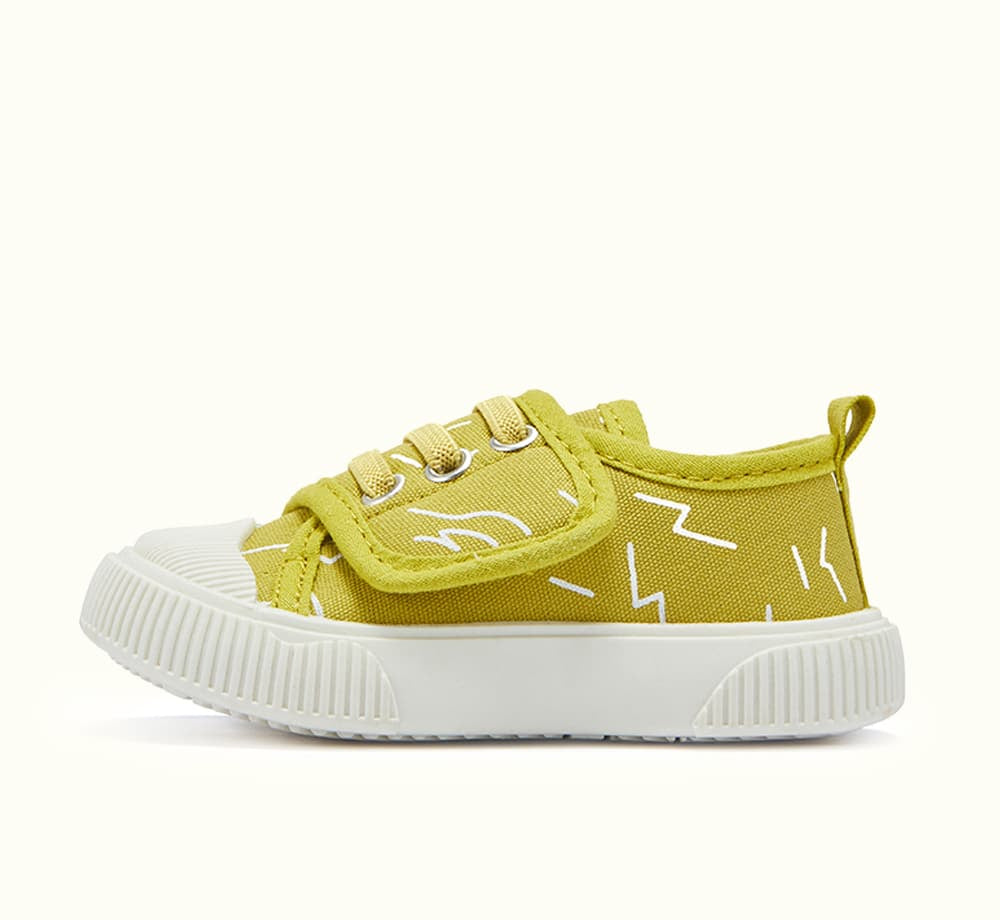
A bag of shoes arrives from a cousin, a neighbor or an older sibling's closet. Some of it is barely worn. Some of it has done two winters. The question is whether any of it should go on your child's feet, and the honest answer is: some of it, after a two minute check.
The worry, and how much of it is true
The usual advice is that children's shoes should never be passed down, because the first child's foot has shaped the shoe and the second child's foot will be forced into that shape. There is something in that, and it applies hardest to shoes with a stiff structure, a molded footbed or a heel counter that has been walked into a lean.
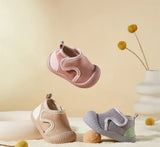
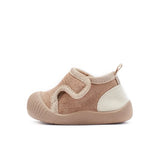
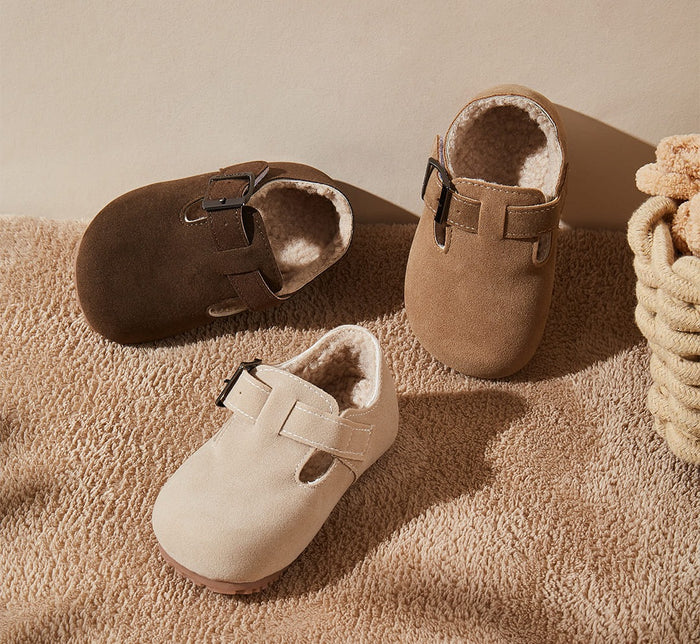
For the shoes we would recommend for a baby in the first place, soft, flat, flexible, with no footbed to speak of, there is much less to shape. A soft sole shoe that was worn for six weeks by a pre-walker is, for practical purposes, a new shoe. The reasoning behind that kind of shoe is in do babies actually need shoes.
Three checks, in order
1. The sole. Turn it over. Even wear across the tread is fine. A sole worn smooth under the ball of the foot is finished. A sole worn down on one edge, heavily on the inside or the outside, means the first child walked with a lean, and that lean is now built into the shoe. That pair goes in the bin, however good the upper looks.
2. The inside. Pull out the insole if it comes out. A clear dent where the heel sat, or a ridge under the toes, means the shoe has a memory of another foot. A flat, even insole is fine. Stand your child's foot on it: this is also the ten second width test from wide feet, narrow feet, and it rules out more hand-me-downs than the sole does.
3. The fastening. Hook-and-loop wears out. If the strap does not hold firmly when you press it, the shoe will not stay on, and a shoe that does not stay on is a shoe that is a size too big in practice. See why baby shoes come off.
Then fit it like a new shoe
The age on the box means nothing, and the fact that it fit the other child at that age means less. Measure your child's foot, standing, heel to the wall, and match the length with 0.4 in (1 cm) of growing room. The method is in how to measure your baby's feet, and our size guide turns the measurement into a size. If the shoe has no foot length printed anywhere, measure the insole yourself and subtract the growing room.
What passes easily
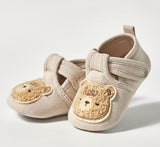
- Soft sole shoes and pre-walker shoes with a flexible sole and no footbed.
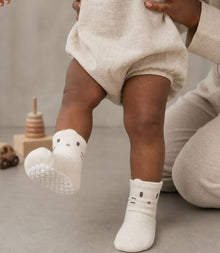
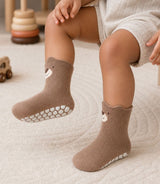
- Sock shoes, if the knit still has its stretch and the sole has its texture.
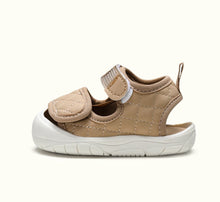
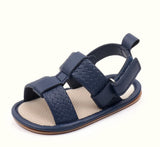
- Sandals with a flat sole and a strap that still holds.
- Rain boots. Nothing to shape, nothing to wear in. Check for cracks and give them a wash.
What rarely passes
- Anything with a worn-in lean on the sole.
- Stiff sneakers with a molded footbed that has taken a shape.
- Winter boots whose lining has flattened. The warmth is gone, whatever the outside looks like. If a new boot is on the list, this is what to look for.
- Anything that smells. A thorough clean fixes most of it, and the method is in how to clean baby shoes, but a lining that has been damp for a season does not come back.
Passing shoes on yourself
If you are the one handing a bag over, the same checks apply in reverse. Clean the pair, let it dry fully, and write the foot length on a piece of masking tape inside each shoe. The next parent will not know the size, and the number on the box is the least useful thing about it.
The short version
- Soft, flat, flexible shoes pass down well. Stiff, shaped ones do not.
- Check the sole for a lean, the insole for a dent, the strap for grip.
- Then measure and fit it like a new shoe.
When a hand-me-down does not pass, our soft soles are the kind of shoe that will be worth passing on again.


